Shape the tools entering your trade.
SkilledMotion helps trade and service companies preserve experienced judgment, prepare their people, and help shape how frontier models, smart devices, robotics, wearables, and integrated sensors fit into real work.
Technology should extend the technician, not compete with them.
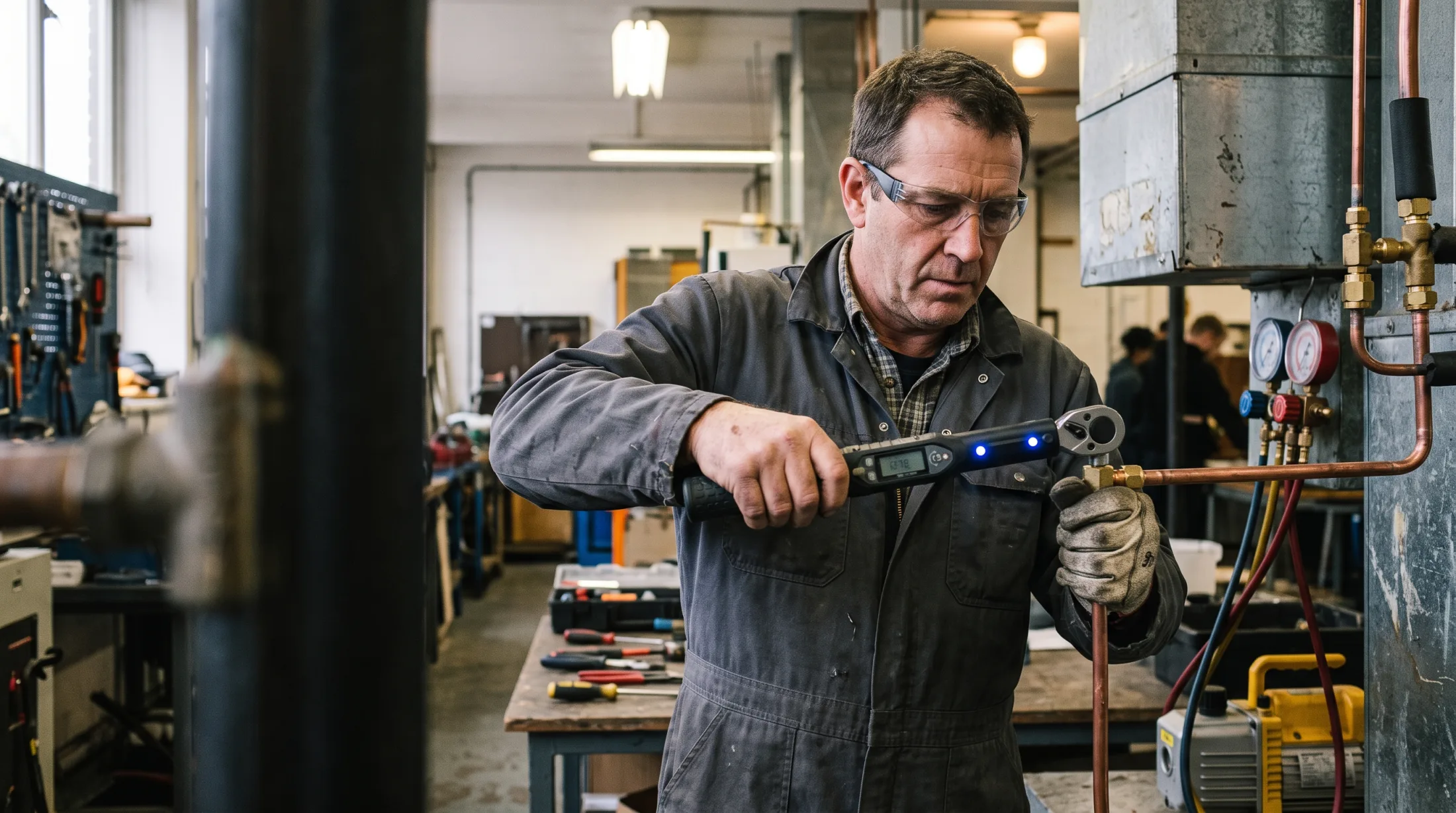
Help shape the change. Be better prepared to use it.
SkilledMotion connects the people who know the work with the people building the technology. The opportunity is broader than robotics: frontier models, smart devices, wearables, integrated sensors, and intelligent tools all need to understand the realities of skilled work.
Bring your experience. Build an early-adopter advantage.
Technology is changing. By taking part, trade companies, technicians, and trainers can learn earlier, influence what gets built, and make better-informed adoption decisions. Participation offers an opportunity to get ahead of those avoiding the change.
Explore the trades pathBuild with the people who know what works.
Frontier-model teams, device makers, and technology developers need real tasks, operating context, and expert judgment. SkilledMotion helps connect that work with trade expertise, clear permissions, and standards grounded in the field.
Explore the technology pathTomorrow's strongest crews will know the trade and the technology.
Choose the work where new tools can create value.
Prepare technicians to direct and interpret intelligent systems.
Prepare supervisors to manage quality and exceptions.
Set clear safety, review, and escalation rules.
A workforce ready to use the technology with confidence.
Better tools. Safer work. More valuable expertise.
The right place to begin is the work technicians most want help carrying: dangerous, punishing, and physically demanding tasks. The person stays in control while the tool becomes more capable.
Experienced people should help invent what gets built, teach systems what good work looks like, test the results, and decide what is acceptable. Their expertise can become more economically valuable because it is needed not only to perform the work, but to define, train, evaluate, supervise, and maintain the systems around it.
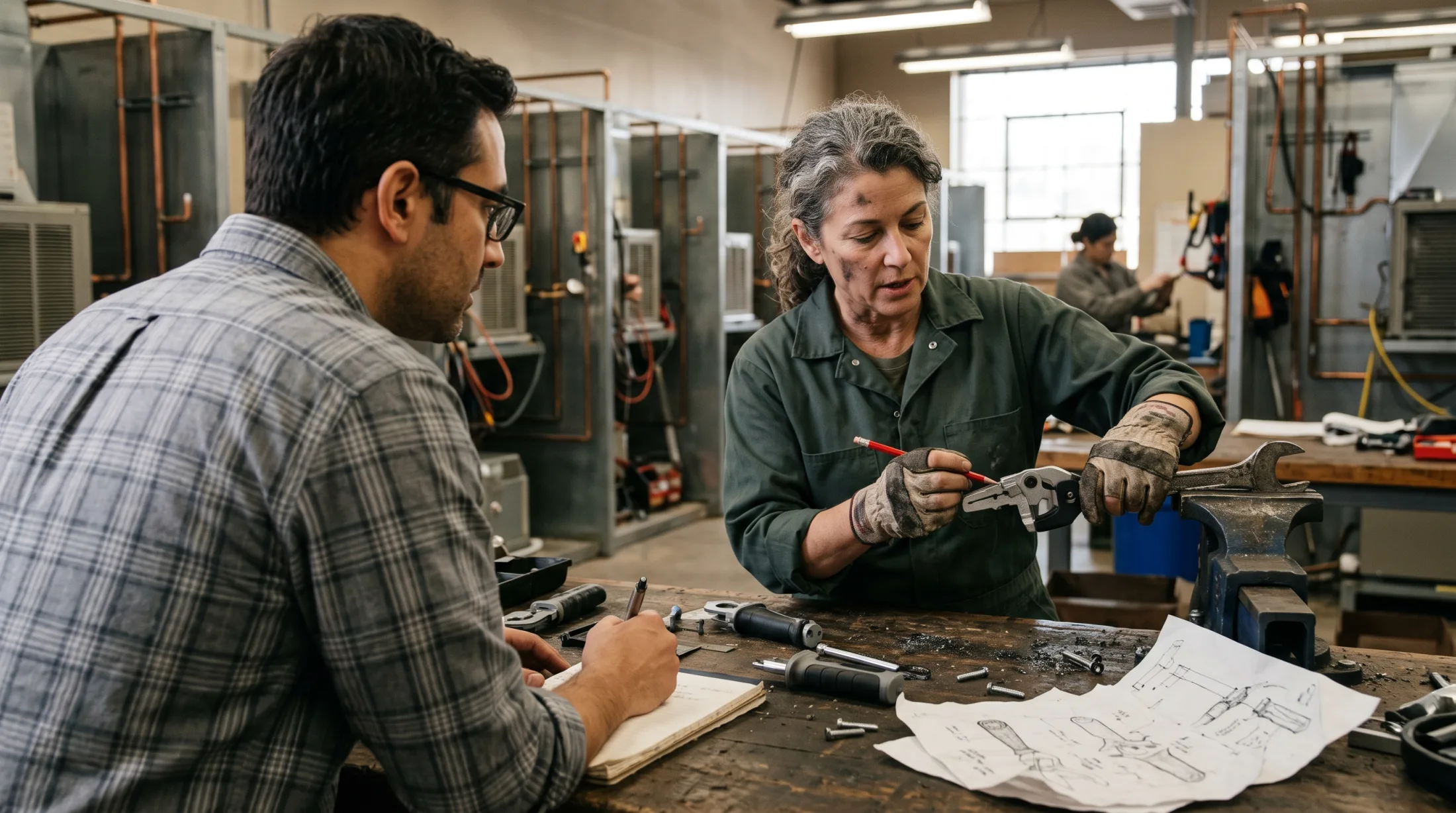
The technician is not just a user. They are a co-designer.
Experienced people can define what should be built, how it should behave, and whether it actually works in the conditions that matter.
See how experts shape the work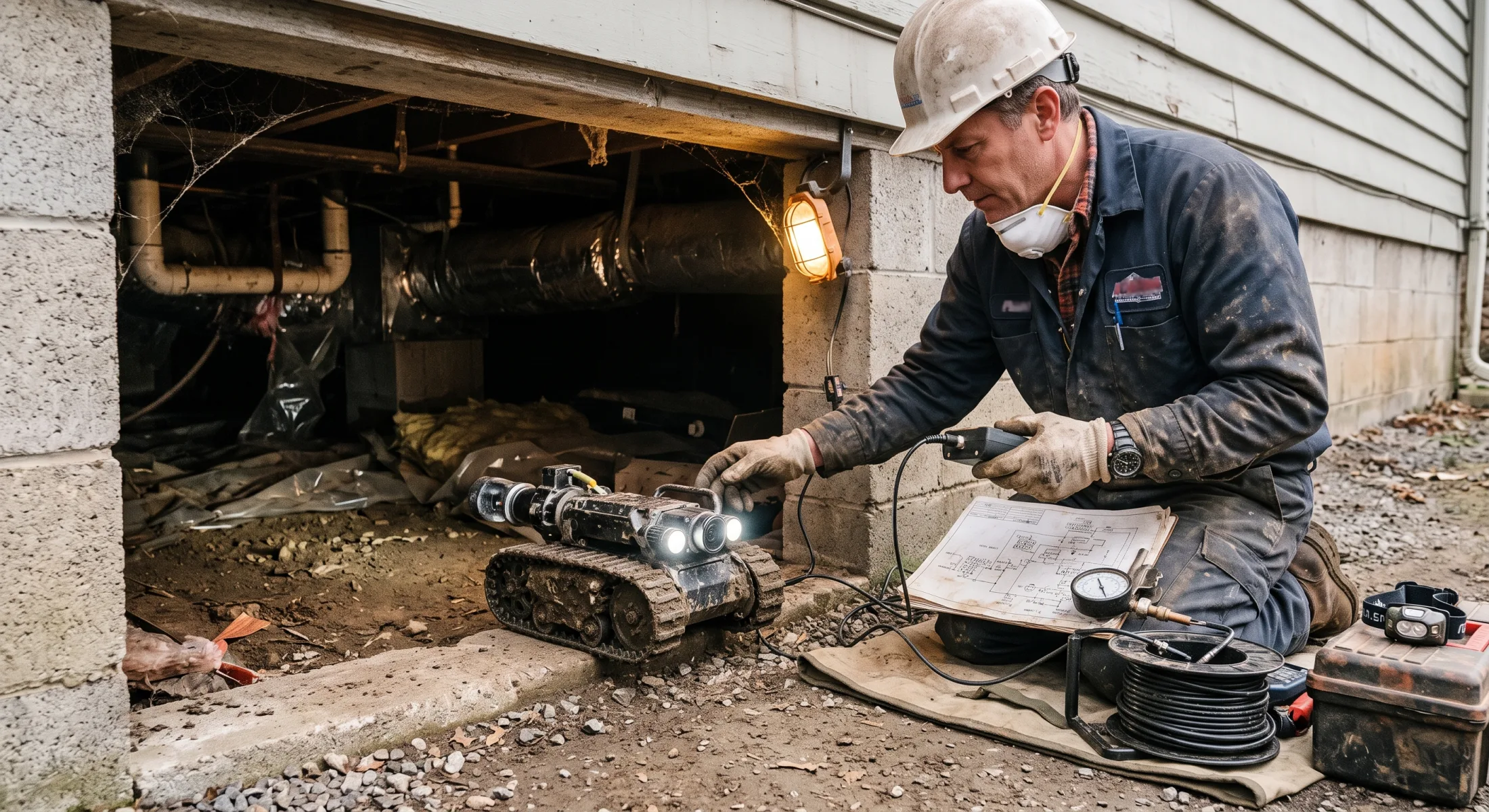
Send assistance into the punishing conditions first.
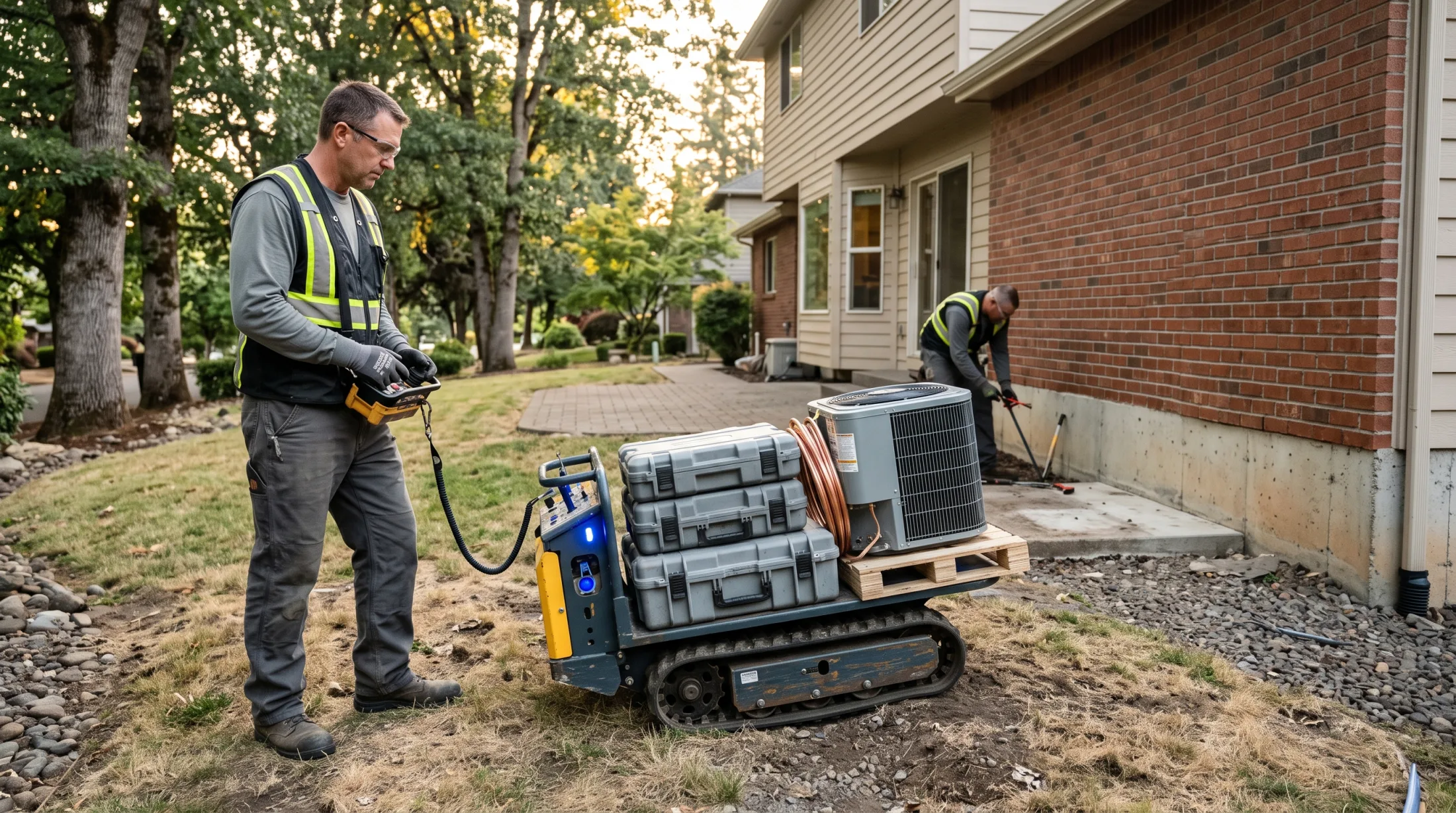
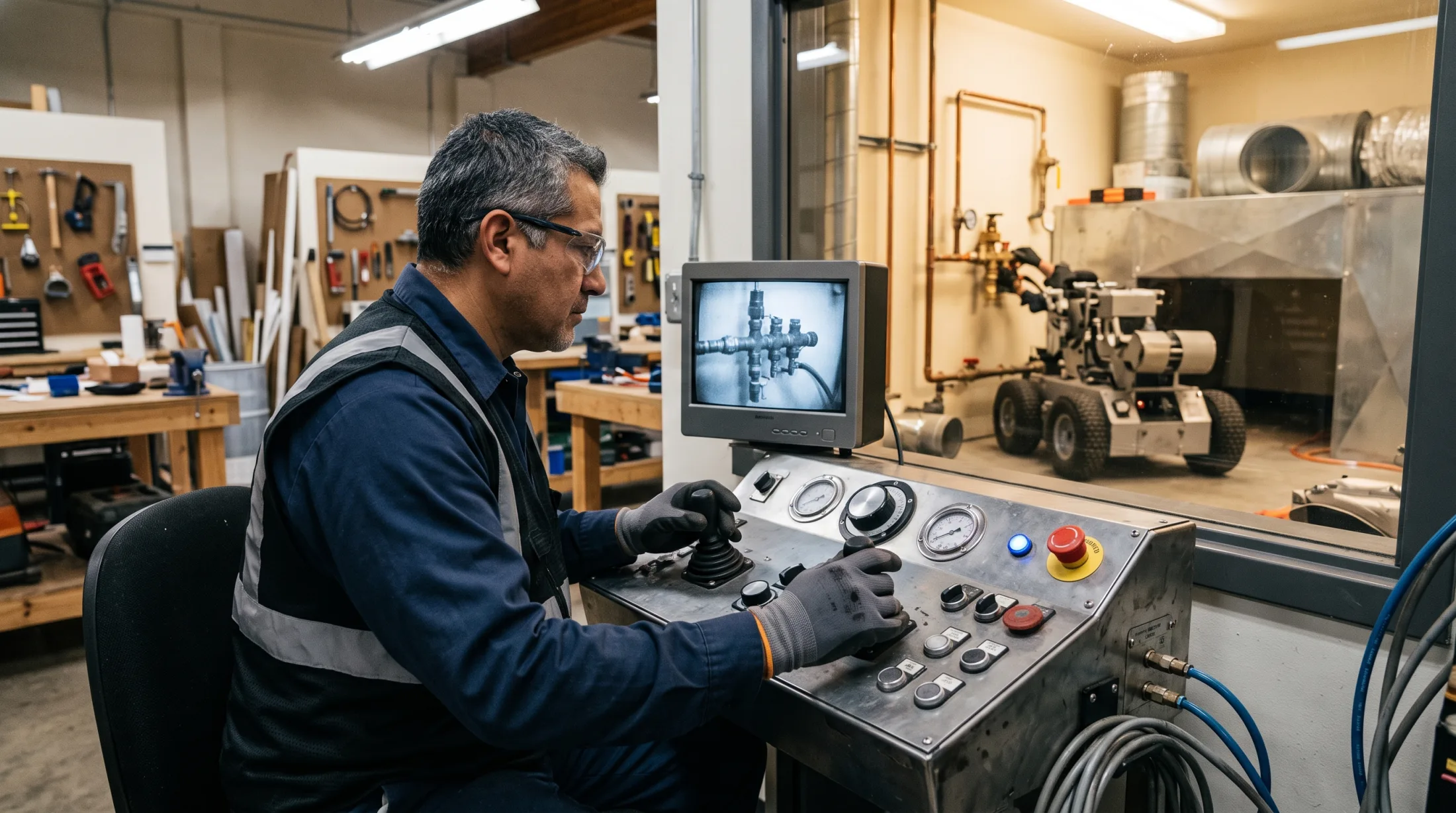
Use intelligent equipment to inspect confined, hazardous, and physically difficult spaces while the technician directs the work.
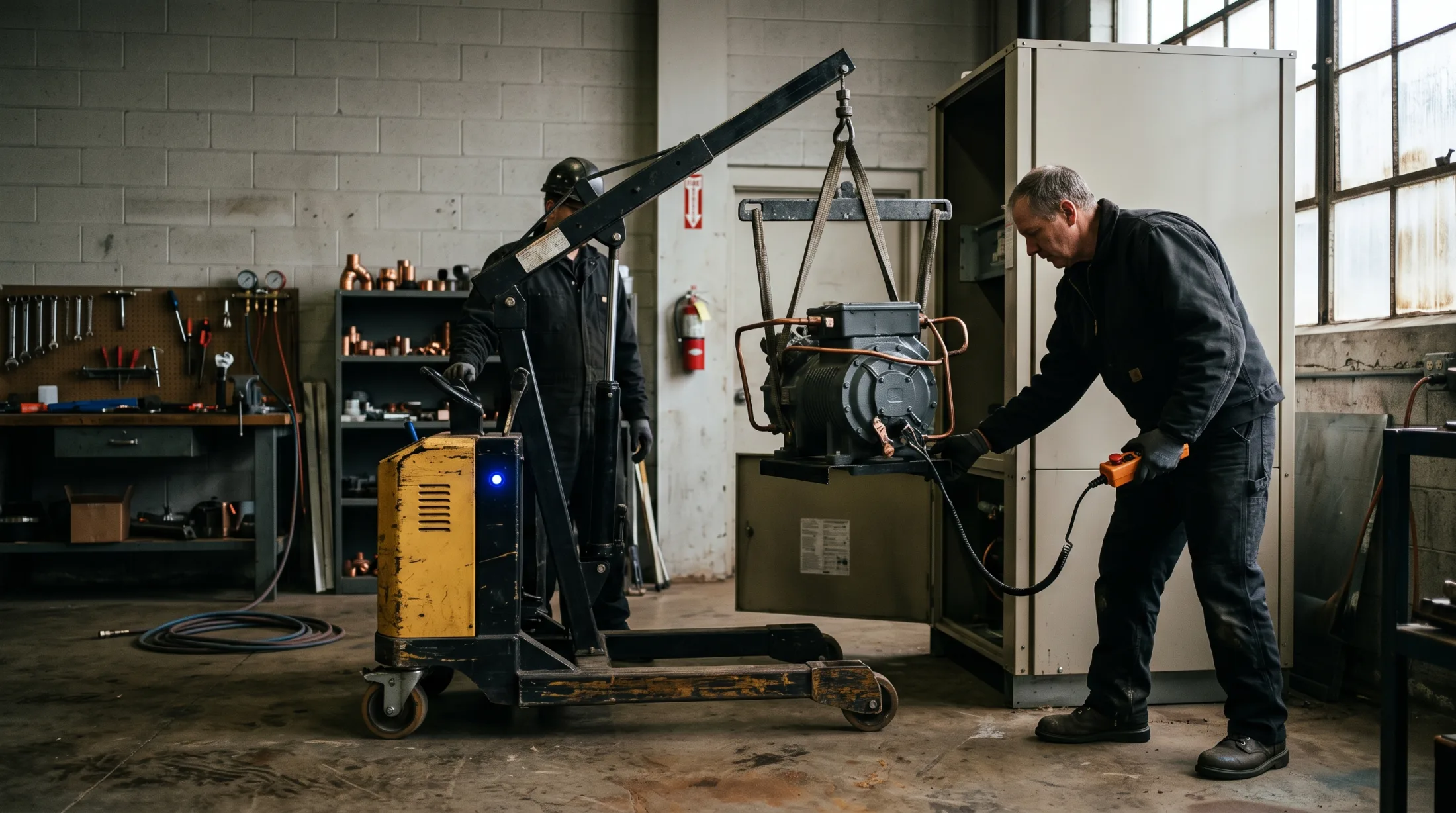
Let machines take the weight, not the judgment.
Apply powered assistance to lifting, positioning, and repetitive strain while experienced people retain control of the outcome.
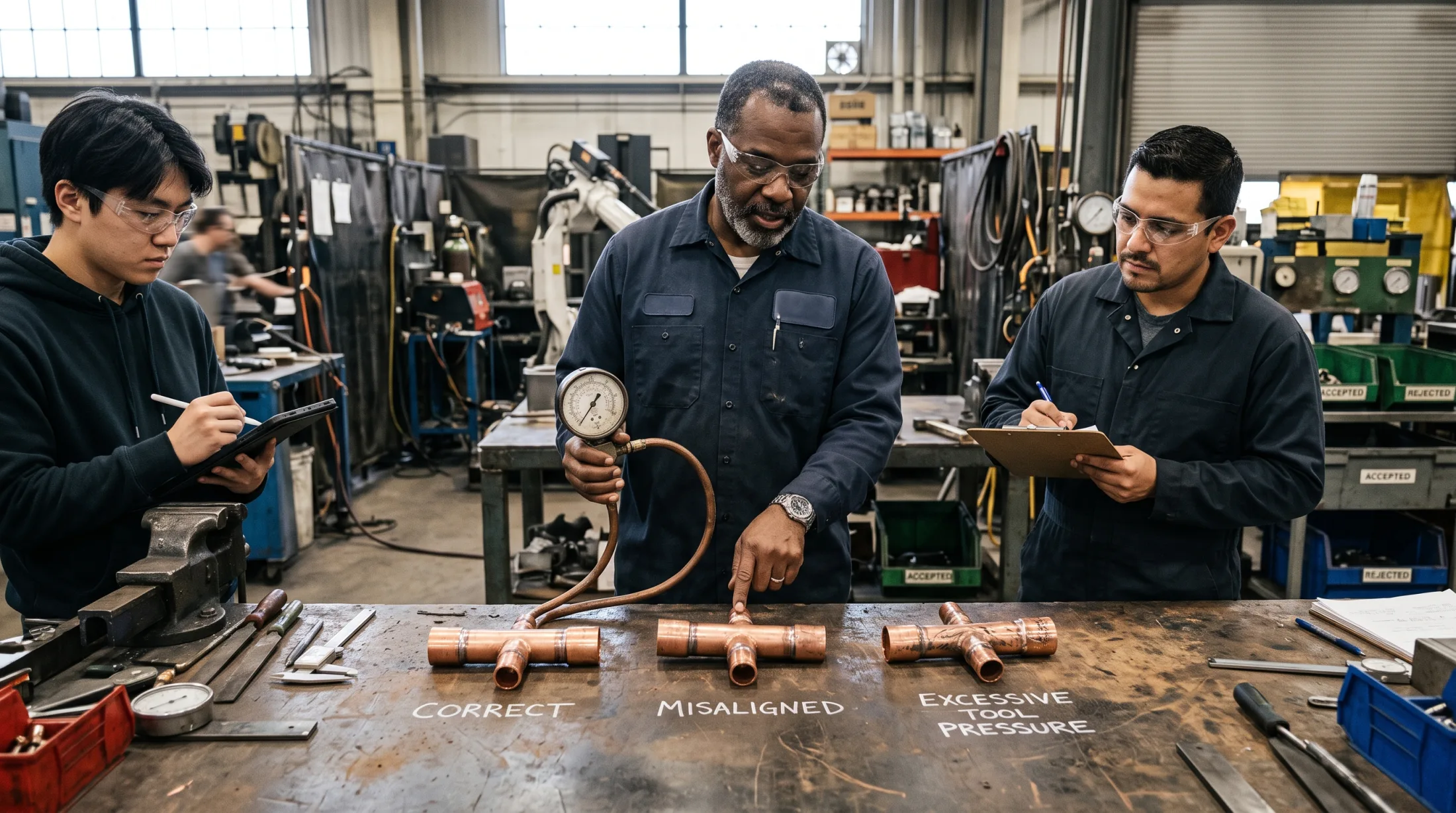
Experts decide what correct work looks like.
Experienced technicians identify errors, explain edge cases, and establish the standards used to evaluate people, tools, and machines.
Your most experienced people carry the operating memory of the business.
They recognize the sound, pressure, resistance, sequence, and exception that keeps a job moving. SkilledMotion helps leadership make that judgment transferable to the next generation.
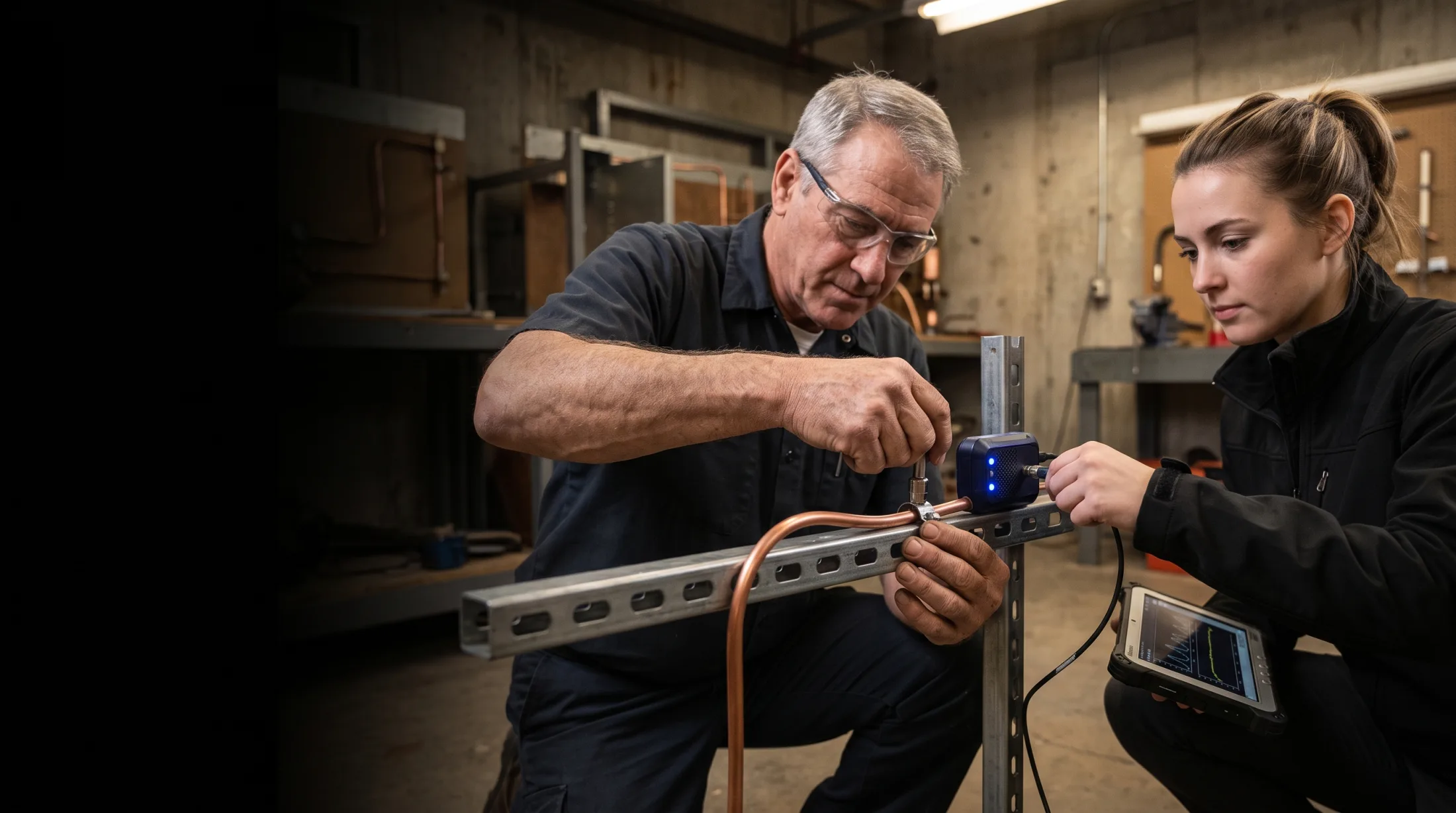
Capture the judgment behind the action, then organize it for training design, supervision, and future technology planning.
One task. One useful question. A clear next step.
Start with a task that matters to the trade or a question the technology needs to answer. Bring experienced people and technology teams together in an agreed environment to document the work, evaluate an approach, or identify what should be built next.
You do not need a finished specification or an existing partner to start a conversation. We can explore the question together and narrow the scope before agreeing on any work.
A trade-led problem
A technician or operator sees a better way. Explore the problem, current workarounds, and requirements for a useful tool.
A technology to evaluate
A team has a prototype or approach. Explore how it performs against expert-defined standards, including errors and exceptions.
Trade knowledge to understand
A model or device needs real-world context. Explore the task, operating conditions, expert decisions, and review criteria.
Define the question
Choose the task and the decision this work should help someone make.
Agree the boundaries
Define participants, environment, time, equipment, rights, costs, safety requirements, and review criteria before work begins.
Do the work with experts
Observe, capture, co-design, or evaluate according to the agreed scope. Experienced people supply the context, corrections, and standards.
Review the evidence
Document what worked, what failed, and what remains uncertain. Agree whether to stop, revise, explore further, or advance.
Depending on the agreed scope, the result could be a tool-design brief, an expert-reviewed capture package, or an evaluation report. These are possible outputs, not a fixed bundle. Participants, site access, permissions, and intended uses are agreed before work begins.
Bring a task, an idea, or a questionA first proof can be designed in an existing training center, warehouse, or service bay. Bring together repeatable work, experienced supervision, and clear safety and acceptance criteria before considering a wider deployment.
Explore controlled proving environmentsA stronger workforce. A clearer technology strategy.
Treat experienced judgment as an operating asset. Build the knowledge and decision structure your company can carry into new training, tools, roles, and customer expectations.
Preserve business-critical expertise
Create a durable record of how experienced people assess, adjust, and recover when conditions change.
Strengthen apprenticeship and onboarding
Give supervisors and developing technicians richer learning grounded in the way your company works.
Prepare technicians and supervisors
Define the skills people will need to direct intelligent tools, interpret results, and handle exceptions.
Choose where technology fits
Evaluate opportunities through the realities of quality, safety, workforce capacity, and customer service.
Agree the commitment, define useful outputs, and choose what to measure before work begins.
See commitments, returns, and measurementsBetter tools first. More capable systems over time.
The first systems may look more like better tools than autonomous technicians. This is a potential adoption path, not a list of services already available from SkilledMotion. Later stages advance when real demand and evidence support them.
Better tools. Expert-guided learning.
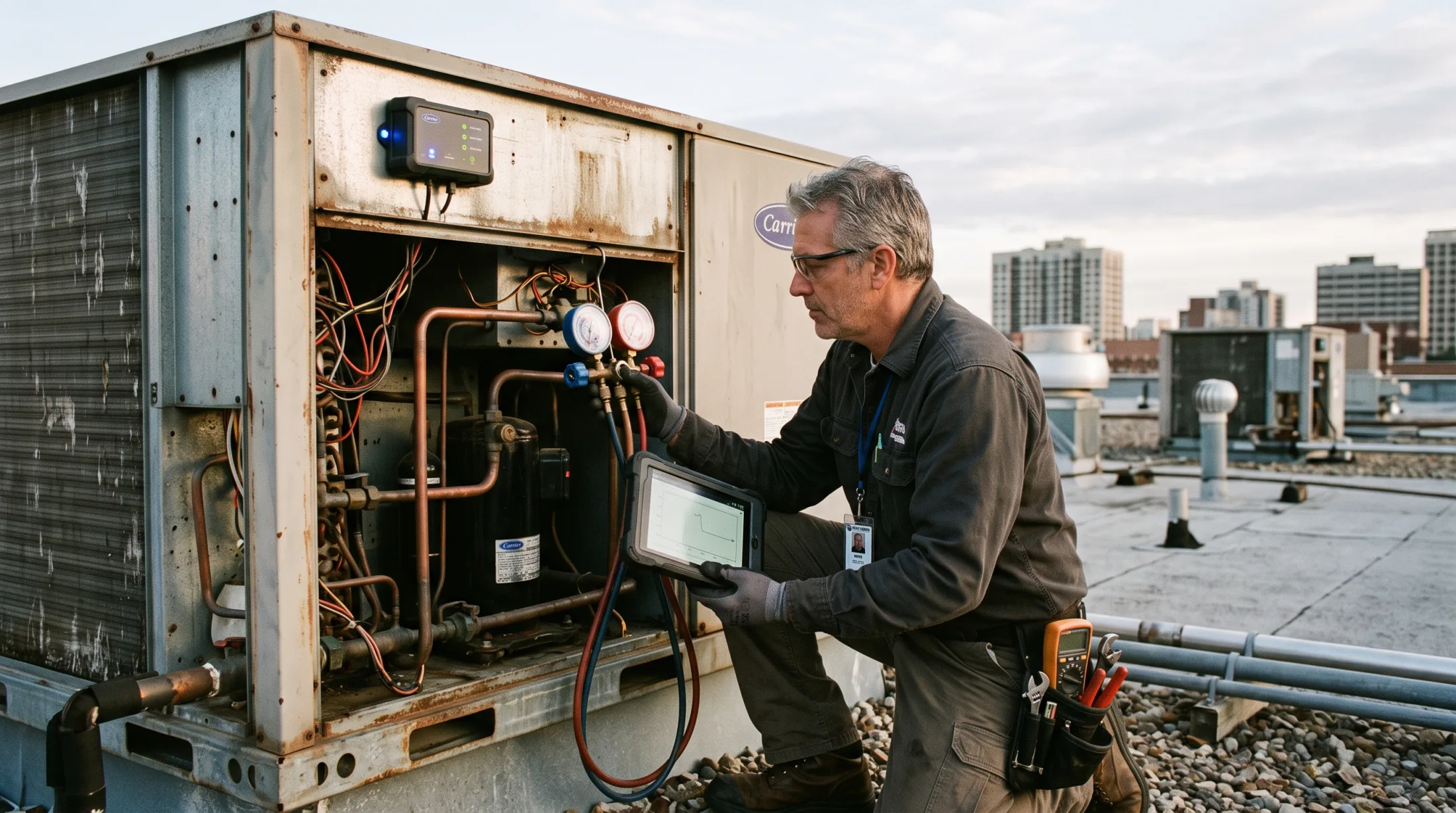
Intelligent tools, equipment diagnostics, wearables, integrated sensors, powered assistance, inspection, and expert-guided task capture. Start by understanding where technology can extend the technician.
Test, correct, and supervise.
Structured evaluation, human correction, remote assistance, teleoperation, and supervised operation. Experienced people help determine whether a system is useful, safe, and ready for the next step.
Support technology in real operations.
Deployment support, robotic-system maintenance, fleet supervision, certification methods, and broader operating infrastructure. These longer-term possibilities depend on demand, demonstrated capability, and appropriate safeguards.
The trades shape what useful technology becomes.
Frontier-model teams, device makers, and robotics developers need real tasks, expert context, clear rights, provenance, and trade review. SkilledMotion can coordinate that work when it aligns with a trade company's priorities and operating standards.
The trades should help lead how technology enters skilled work.
SkilledMotion helps owners and managers protect the knowledge they already have, prepare the people they already trust, and make technology decisions from a position of operating strength.
Which part of your company depends on knowledge held by a few people?
Tell us about your trade, your team, and the work you need to carry forward. We can discuss where knowledge transfer and workforce readiness could matter most.